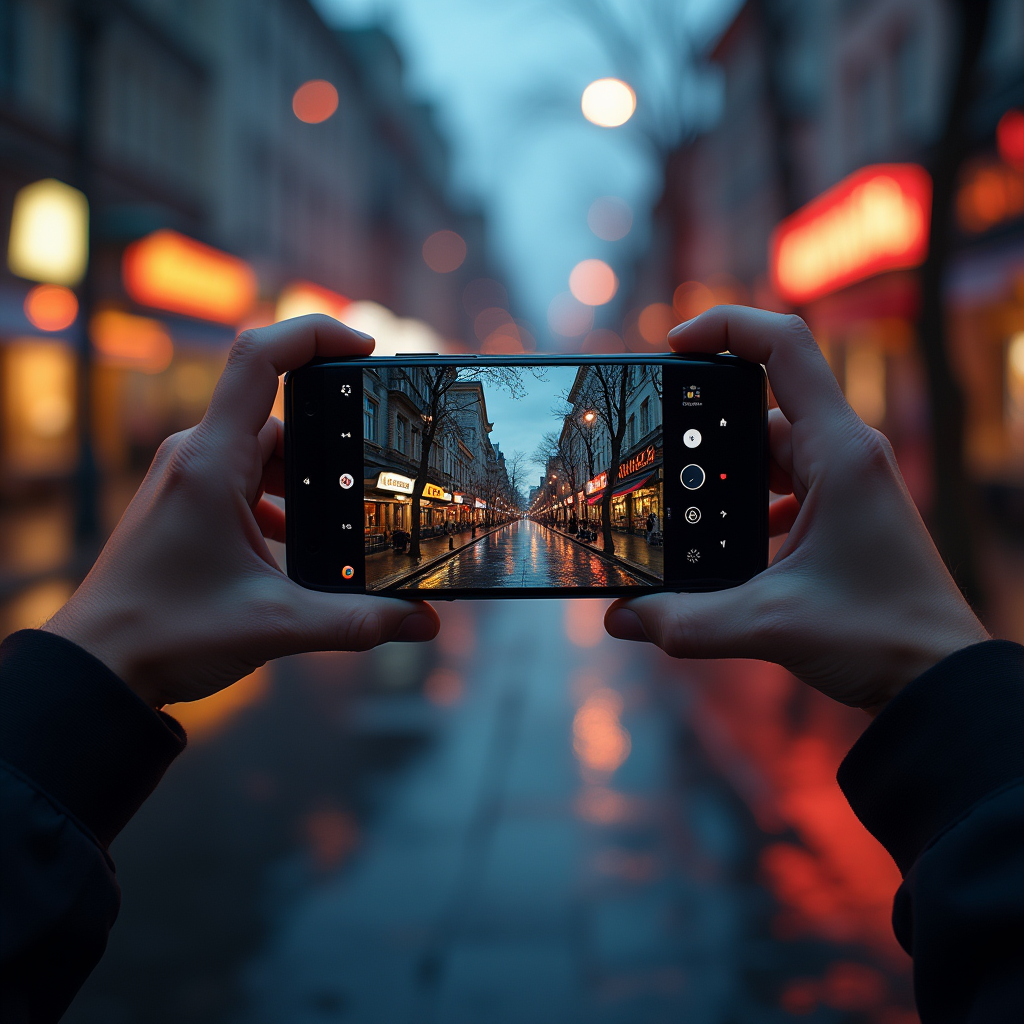
Mobile photography has seen a huge leap forward in recent years, thanks to advancements in computational photography. Traditional limitations of smartphone sensors are now compensated by powerful image-processing algorithms driven by artificial intelligence (AI). Today, smartphones can capture images comparable to professional cameras, even in challenging lighting conditions. In this article, we will explore the latest breakthroughs in computational photography and share practical tips for photographers looking to unlock the full potential of their mobile cameras.
What is Computational Photography?
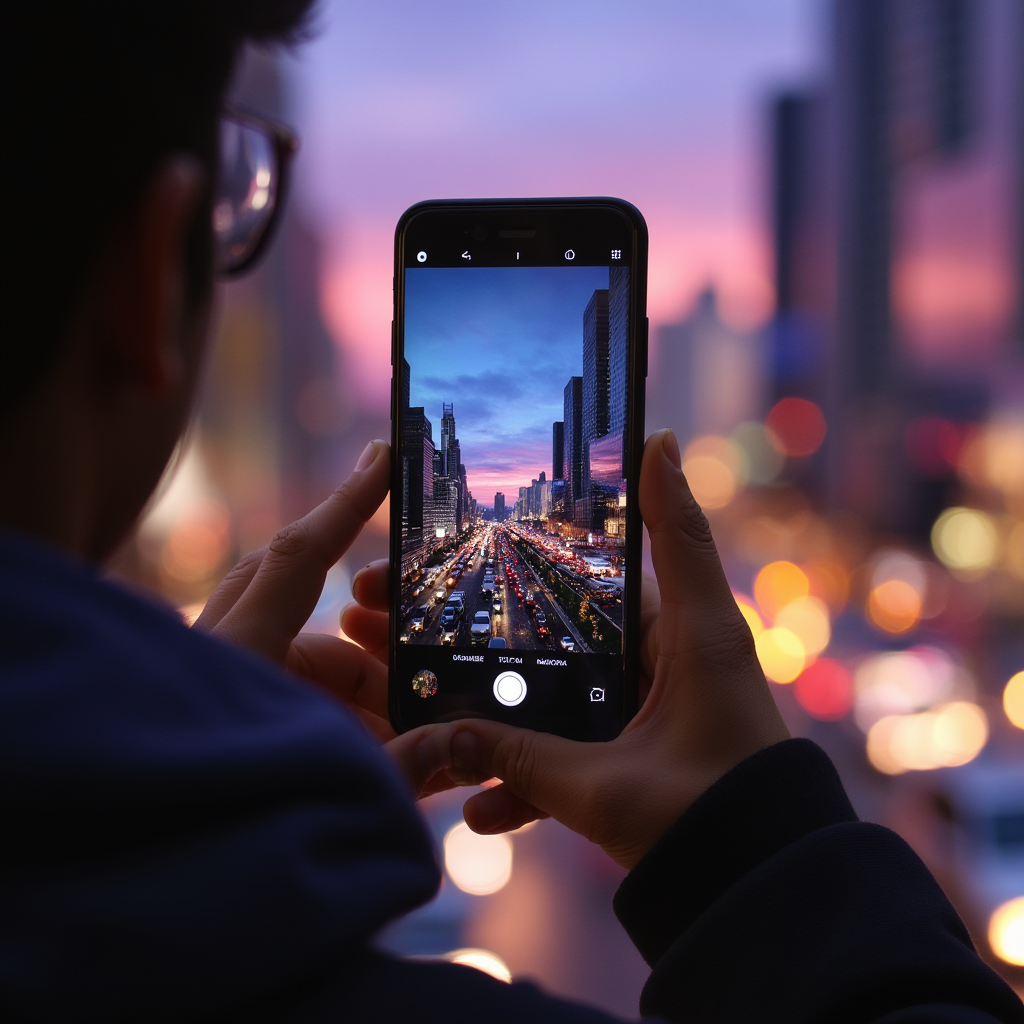
Computational photography enhances images through software-based techniques. Unlike traditional optics, which are limited by the physical attributes of the camera, computational photography leverages advanced image processing to improve photo quality. This allows smartphones to overcome the constraints of small sensors and lenses.
Key Advancements in Computational Photography
1. Multi-Frame Image Processing
One of the core methods in computational photography is merging multiple frames into a single image. This improves:
- Dynamic range (HDR+)
- Noise reduction in low-light conditions
- Image detail enhancement
Technologies like Google’s HDR+, Apple’s Smart HDR, and Samsung’s Fusion utilize this technique effectively.
2. Night Modes and Low-Light Performance
Modern smartphones like Google Pixel, iPhone, and Huawei offer night modes that significantly enhance image quality in dim lighting. They achieve this by capturing multiple exposures and blending them, reducing noise and improving clarity.

3. AI-Powered Scene Recognition
Machine learning enables smartphones to automatically recognize scenes and adjust camera settings accordingly. This includes:
- Identifying landscapes, portraits, and skies to optimize color balance
- Adjusting exposure and contrast dynamically
- Switching between lenses for the best results
4. Advanced Portrait Mode and Bokeh Effects
Previously, achieving a blurred background (bokeh) was only possible with DSLR cameras using wide apertures. Now, smartphones use multiple lenses and AI-driven algorithms to create realistic depth effects.

5. Super Resolution and Digital Zoom
Smartphones compensate for the lack of optical zoom by using super-resolution techniques. Google’s Super Res Zoom, for example, allows for zooming without significant quality loss.
6. RAW Format and Editing Flexibility
Many smartphones now support RAW image capture, giving photographers more freedom in post-processing. Apps like Adobe Lightroom, Snapseed, and VSCO allow for professional-grade editing directly on mobile devices.
Practical Tips for Using Computational Photography
- Use HDR Mode for High-Contrast Scenes: When shooting landscapes or bright scenes, enable HDR for balanced exposure.
- Experiment with Night Mode: For low-light photography, use night mode and keep your phone steady for sharper images.
- Adjust Manual Settings: Use Pro mode to fine-tune ISO, shutter speed, and white balance for more control.
- Try Third-Party Apps: Apps like Halide (for iPhone) and Camera FV-5 (for Android) offer advanced manual controls.
- Edit Your Photos: Use Lightroom or Snapseed to refine your images for a professional touch.
Notable Mobile Photographers
Some photographers have mastered computational photography at a professional level. Examples include:
- Emil Pakarklis – A mobile photographer and blogger who teaches iPhone photography.
- Damien Schennon – Famous for stunning night shots taken exclusively on smartphones.
- Andreas Von Gunten – Creates artistic portraits using smartphone portrait mode.
Conclusion
Computational photography has transformed smartphones into powerful tools for capturing high-quality images. With ongoing advancements, mobile photography is becoming more accessible and professional at the same time. By leveraging features like night mode, HDR, and AI-powered scene recognition, even beginners can achieve stunning results. No matter your skill level, embracing these tools can significantly enhance your mobile photography experience.